The Mass Killing of America’s Buffalo (Bison)
Before the 19th century, an estimated 30 to 60 million American bison, commonly called buffalo, moved across the plains in massive herds stretching for miles.
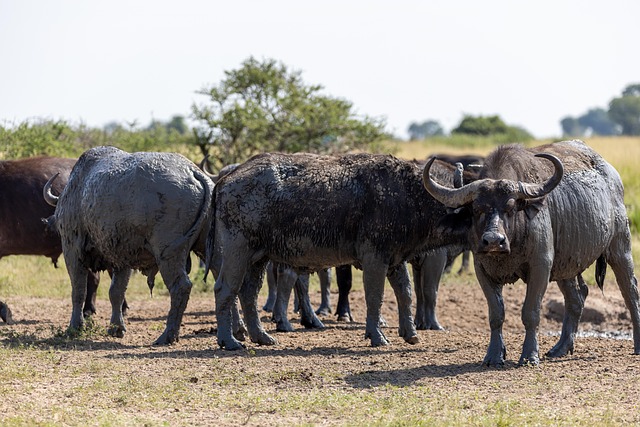
For thousands of years, Indigenous peoples of the Plains lived in close relationship with the bison. The animal provided food, clothing, shelter, tools, and spiritual meaning. Nothing was wasted, and the herds were managed through respect and balance rather than destruction.
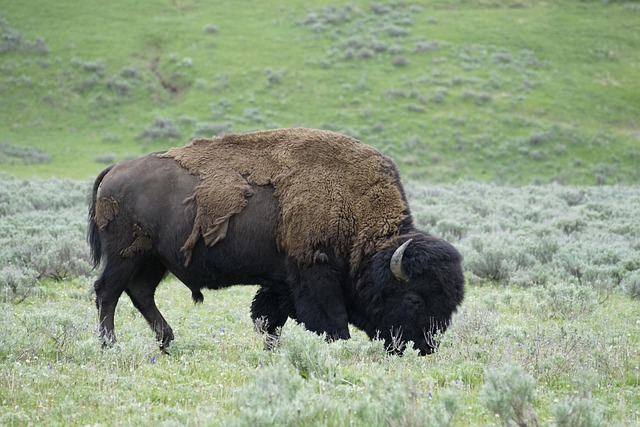
This balance collapsed rapidly during the 1800s, when the United States expanded westward.
As settlers, railroads, and the U.S. Army moved into the Plains, bison came to be seen not as a vital species, but as an obstacle. Railroads cut through migration routes, separating herds and making them easy targets. Hunters could now reach remote areas quickly, and some passengers even shot bison from moving trains for entertainment.
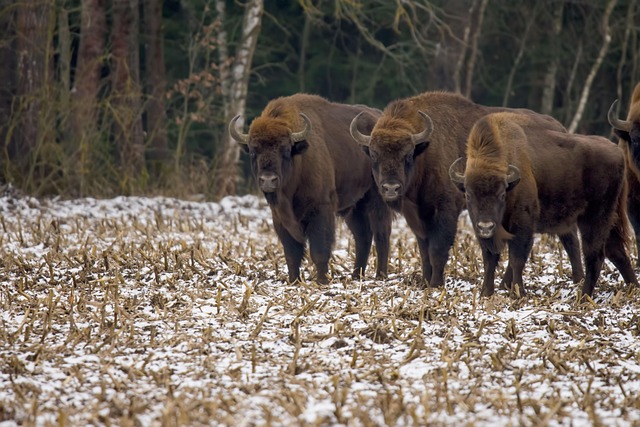
At the same time, a booming commercial market emerged. Bison hides were highly valuable for making industrial leather belts used in factories, while tongues were sold as luxury food items. Professional hunters killed thousands of animals a day, often taking only the most profitable parts and leaving the rest of the bodies to decay. Entire landscapes became littered with bones.
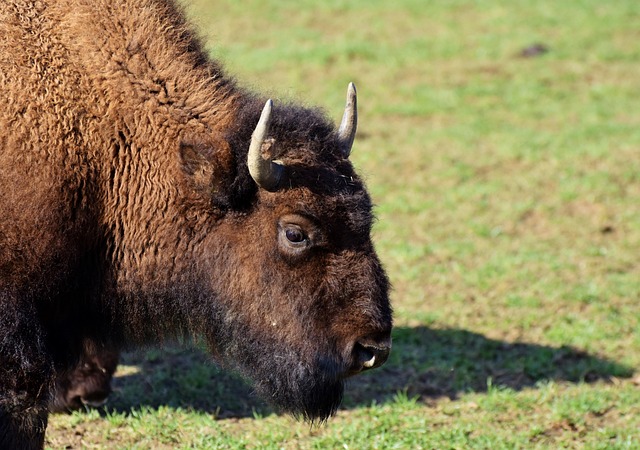
Plains Indigenous nations depended on the bison for survival. U.S. military leaders and government officials openly supported bison extermination because they believed it would destroy Indigenous resistance.
By eliminating the main food source, they could force Native peoples into starvation and dependence, pushing them onto reservations without needing prolonged warfare. Some officials openly praised hunters for their role in this process.
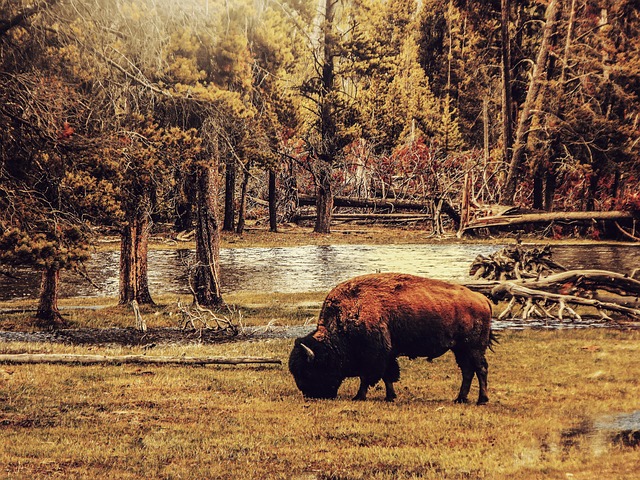
By the 1880s, the results were devastating. From tens of millions, the bison population collapsed to fewer than 1,000 animals. Entire ecosystems were disrupted. Grasslands that had evolved alongside grazing herds changed dramatically, affecting birds, plants, and other animals. For Indigenous communities, the loss caused famine, cultural destruction, and long-lasting trauma. Ways of life built over thousands of years were shattered in just a few decades.
This mass killing is considered one of the largest human-caused wildlife slaughters in history.
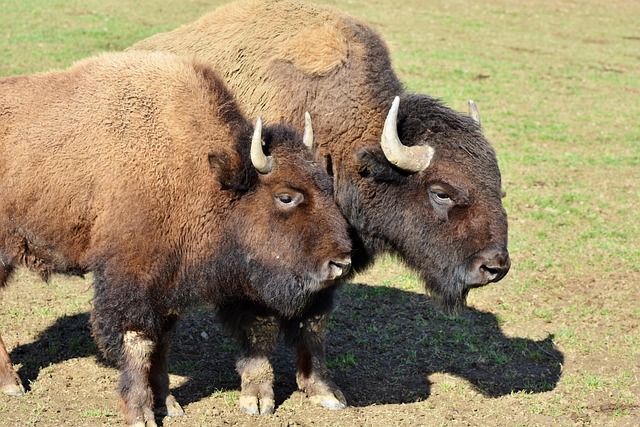
Today, there are about 500,000 bison in North America. However, most live on private land and are raised like livestock. Only a small percentage live in free-roaming, genetically pure herds. While the species survived extinction, it has not fully returned to its original role in the ecosystem.
The near-extinction of the bison remains a warning from history: when greed, power, and short-term thinking override respect for life, the damage can be vast—and nearly irreversible.




 A Voice from Iran
Leave a comment