World War II (1939–1945)
World War II did not start suddenly. Its roots go back to World War I. After WWI, Germany was punished harshly by the Treaty of Versailles, which caused economic collapse, humiliation, and anger. At the same time, many countries were suffering from the Great Depression, leading people to support extreme political movements that promised order and national pride.
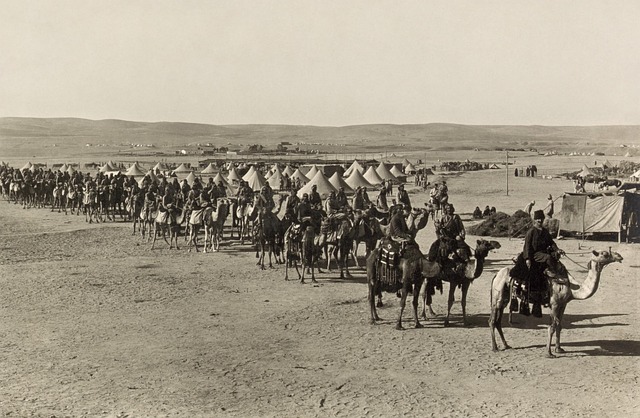
In Germany, Adolf Hitler rose to power, promoting aggressive nationalism and expansion. Similar militaristic governments emerged in Italy and Japan.
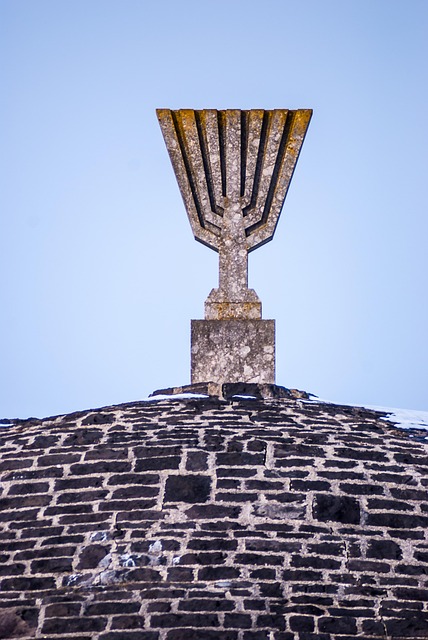
These regimes believed they had the right to expand their territory and power by force.
The war officially began in September 1939, when Germany invaded Poland. Britain and France, who had promised to protect Poland, declared war on Germany. Soon after, the conflict spread rapidly across Europe, North Africa, and Asia.
Japan was already fighting in China and later attacked Pearl Harbour in 1941, bringing the United States into the war.
The entire economy and population were mobilized. Industrialized weapons: tanks, aircraft, submarines, and advanced artillery. Civilian involvement: cities were bombed, and civilians were no longer spared.
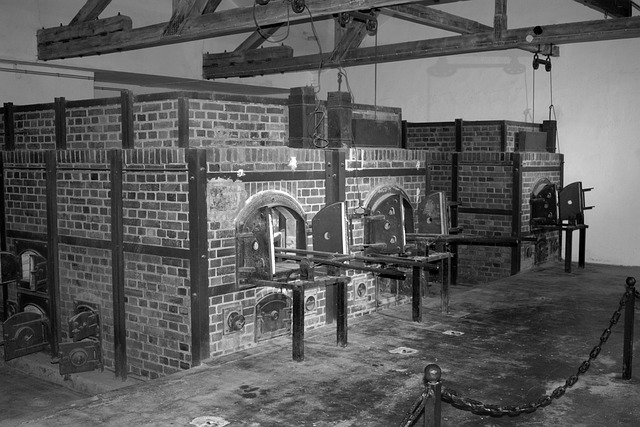
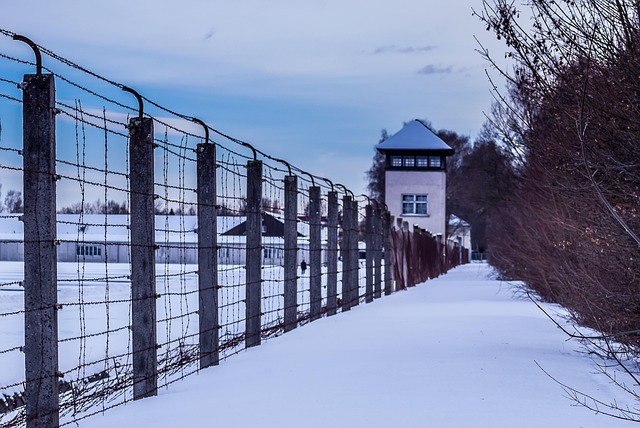
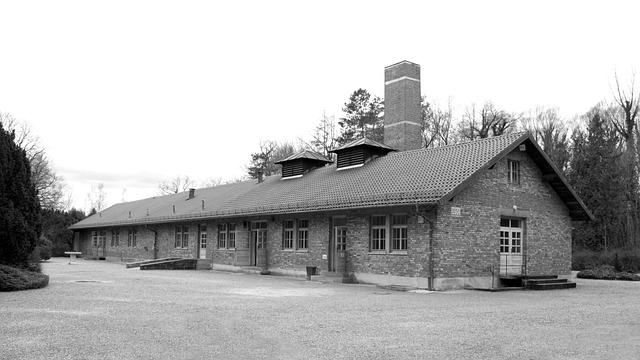
Nazi Germany carried out the Holocaust, systematically murdering millions of Jews and other targeted groups, creating a horrific genocide.
This war was fought on multiple continents, involved over 100 million soldiers, and affected nearly every major nation.
The war ended when Germany surrendered in May 1945 after being defeated by Allied forces from both the west and the east. Japan surrendered in August 1945 after devastating attacks and the dropping of two atomic bombs.
70–85 million deaths, Europe left in ruins. The United Nations was created. The world entered the Cold War between the U.S. and the Soviet Union.
World War II reshaped global politics, borders, and international law more than any other conflict in history.

 A Voice from Iran
Thank you Ned.
LikeLike
Ahh Laleh. You know my passion is history. My deeper passion is military history going as far back as the Trojan, Greek, Macedonian empires, and Roman Empire. My most loved era is “The Middle War Years,” i.e. the repercussions of WW1 leading up to WW2. And my ultimate deepest passion is WW2 aviation, but that’s beside the point here. 😉
If I may, and you don’t mind, I wrote a 3-part blog-series on this very topic you post about here I would like to leave its link. It is an in-depth examination of how WW1 and post-WW2 exacerbated the never-ending conflicts in Palestine and how they won’t stop until the Western Powers—the victors of WW1 and WW2—accept/acknowledge genuinely how they ‘screwed’ the Arab nations and as a consequence are still “paying for it” to this day. Here’s the link to the beginning:
The Circus of Recycling – Part I
Thank you in advance Laleh. 🥰
Also, very nice synopsis here on the origins of WW2. Bravo! 👏
LikeLike
Thanks for sharing my dear friend.
LikeLiked by 1 person
that time has a lot of lessons for us now as we look around the world today…..
LikeLike
Thanks.
LikeLike