292nd post
(Zahhak is a legendary tyrant from Persian mythology, most famously depicted in the Shahnameh by Ferdowsi, against Arab’s invasion hundreds of years ago. Originally a prince who was seduced by the evil spirit, Zahhak becomes the embodiment of corruption and cruelty after two serpents grow from his shoulders, each demanding to be fed with the brains of young men.
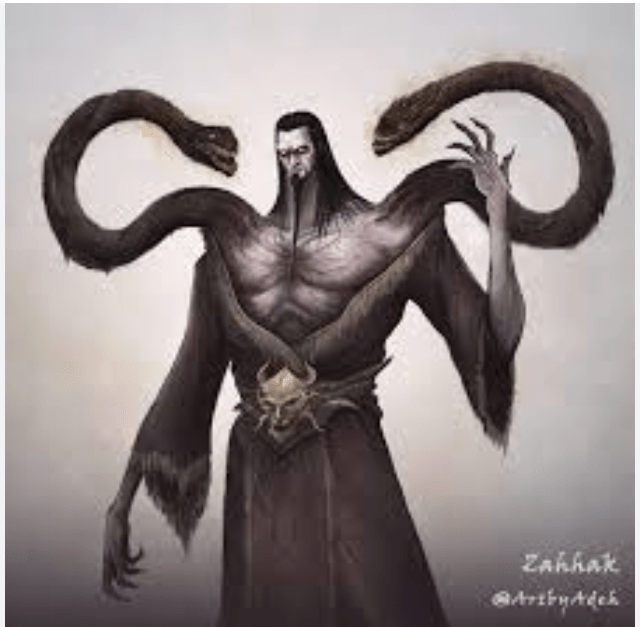
His reign lasts a thousand years and is marked by fear, injustice, and bloodshed, symbolizing chaos and moral decay. Ultimately, he is overthrown by the hero Fereydun, who imprisons him in Mount Damavand, where he remains bound as a symbol of defeated tyranny.)
By chance, Behzad was reading the story of Zahhak. Just one page of the Shahnameh, for his own heart.
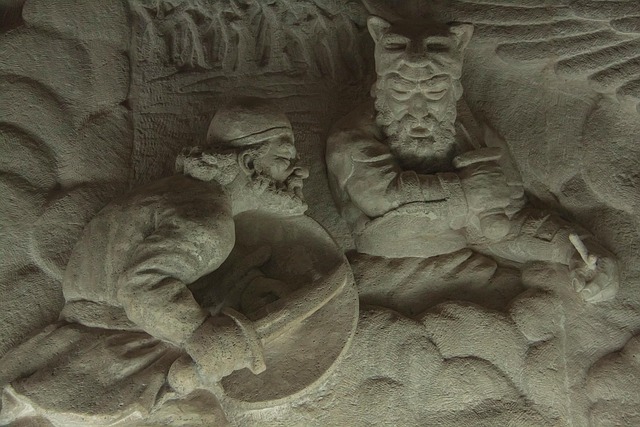
But the further he went, a strange feeling settled in him, as if this story had not been written a thousand years ago, but just yesterday.
Zahhak is a foreign king, not from this land, not of this culture. He doesn’t arrive with a sword. He arrives with deception, with “strategy.”
At first, Zahhak is pious. He prays. He is ascetic. But exactly where he should, the devil enters, not with horns and a tail, but in the form of a talented chef.
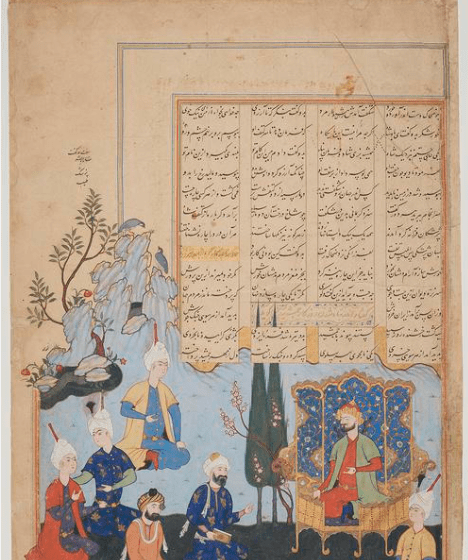
For the first time, meat appears on the king’s table: roasted birds, fragrant and tempting. Once Zahhak tastes them, he is no longer the same person.
Power works the same way: first, you only taste it, and after that, it cannot be held back.
Delighted, Zahhak calls the chef:
“What do you want in return for this art? Gold? Rank?”
And the chef, whom we now know is Satan, smiles and says:
“Just let me kiss your shoulders.”
What a cheap reward…
And what a costly price.
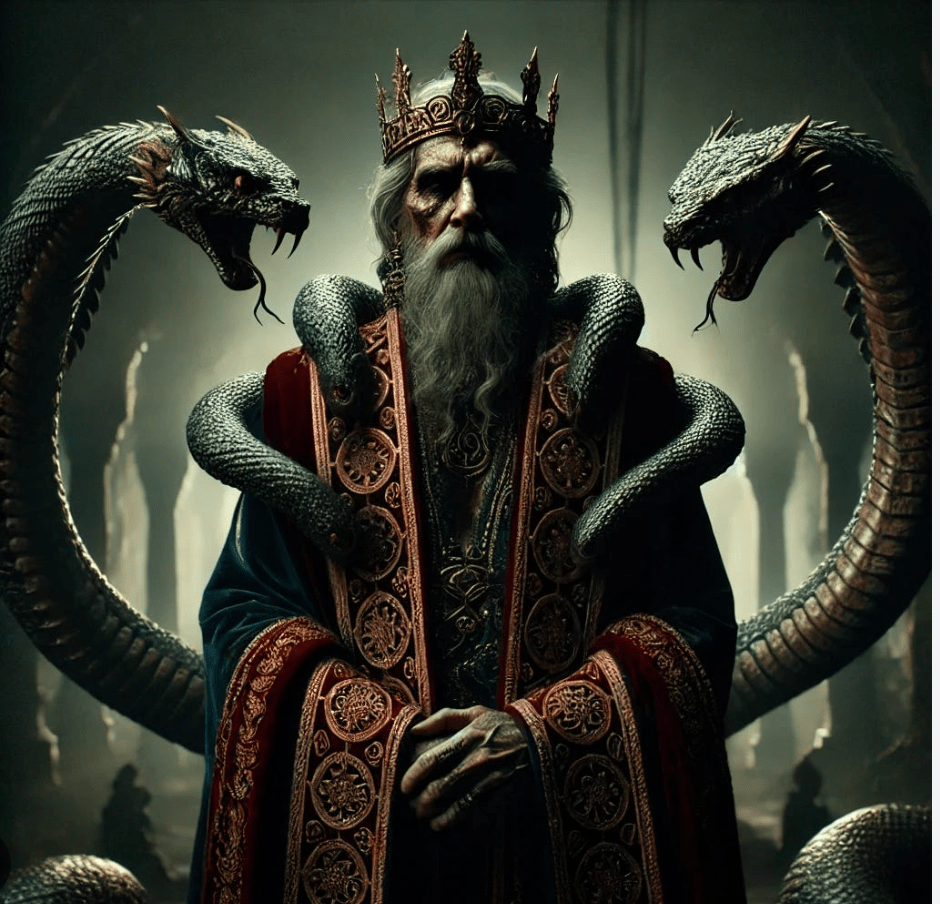
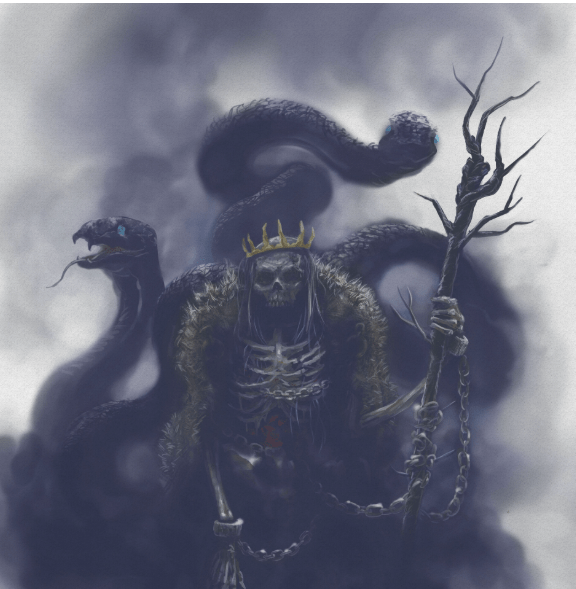
The next day, his shoulders are wounded. The wounds open, and from the king’s body two black snakes crawl out, dark, hungry, merciless. Symbols of regression, oppression, and endless greed.
The snakes will not calm down. They crave brains. Not just any flesh, brains. The place of thought. The place of understanding.The place of protest.
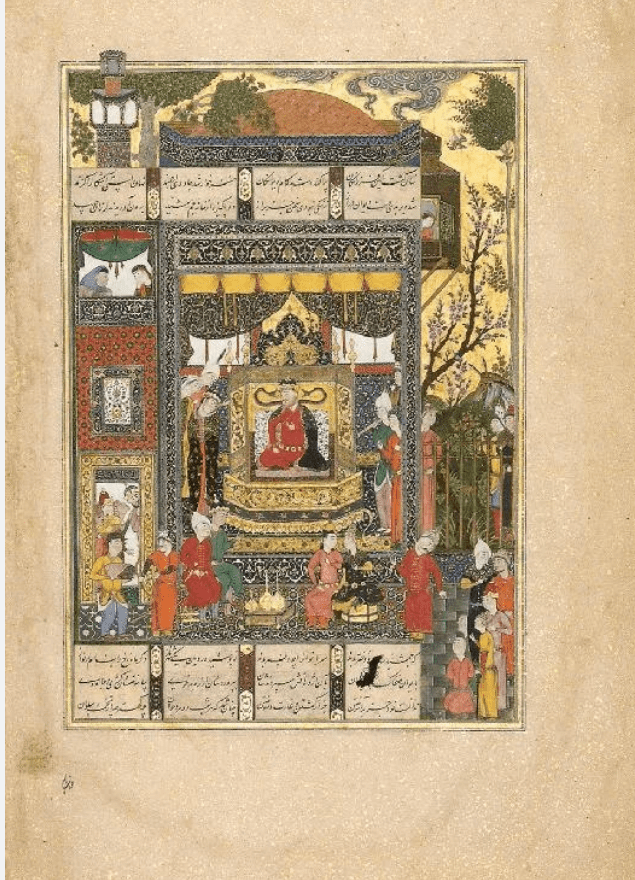
Again, Satan appears, this time dressed as a “wise man”:
“Don’t worry, King! The solution is simple. Every day, two young Iranians. Feed their brains to the snakes, so your own brain stays safe.”
And from that day on, Zahhak’s “justice” is established: They draw lots, impartially, fairly. Whose turn is it today? Every family is happy that “for now,” it wasn’t them.
Everyone says: “From this pillar to the next, perhaps relief…” But there aren’t many pillars. And time passes cruelly fast.
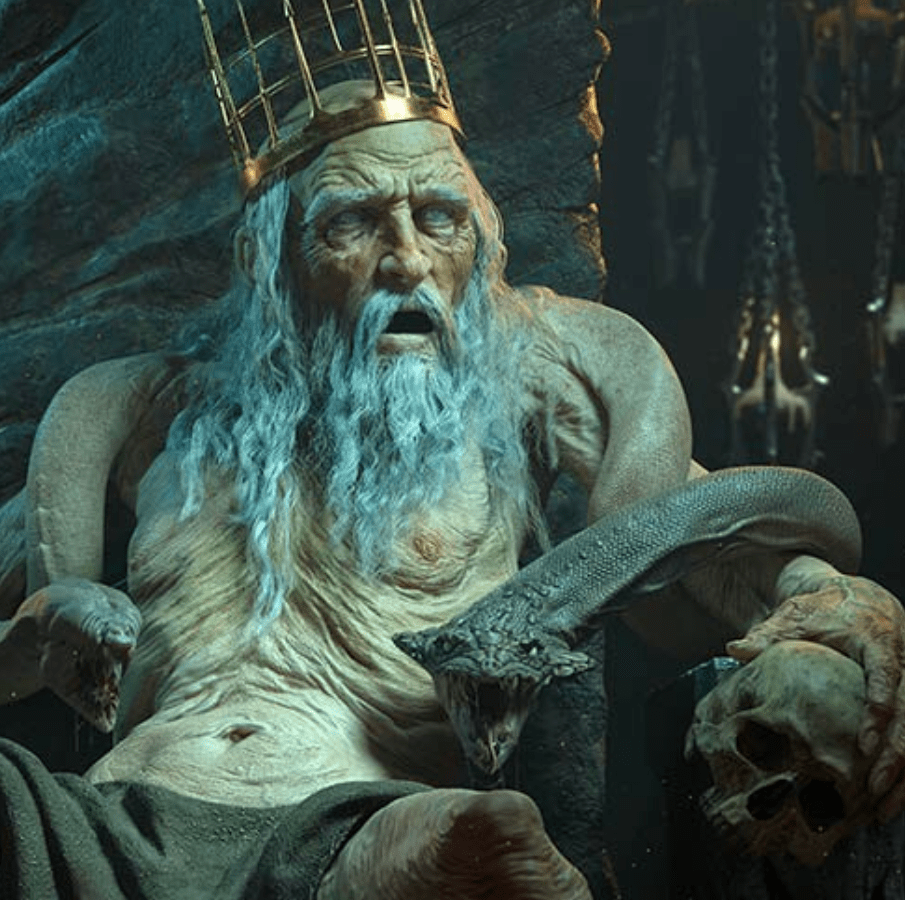
Each year, more than seven hundred young brains are spent to preserve the king’s brain. In the palace kitchen, two men feel their conscience stir. Not enough to overturn everything, not enough to stay silent. They make a “middle-ground” decision: each day, only one youth is sacrificed. They mix his brain with a sheep’s brain. The snakes won’t notice. And 365 youths are saved each year. The reform succeeds! The snakes are satisfied. The cooks are happy. And no one asks what happened to the other 365…
The saved youths are secretly sent into the desert:
“Run. Don’t come back. Don’t be seen.”
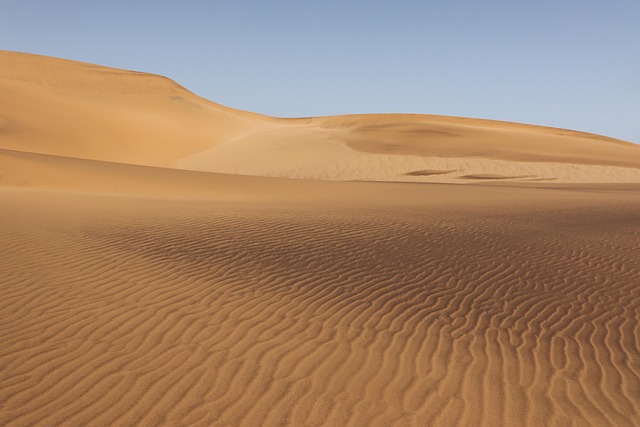
And thus, the brain drain is recorded in the Shahnameh. Until it is Kaveh’s turn. Kaveh the blacksmith. A man whose seventeen sons have been fed to those same snakes. He has nothing left to lose.
Zahhak decides to collect signatures from the people who say, “I am a just king.”
Lines form. Signature after signature. Year after year.

But Kaveh neither stands in line nor signs. He tears up the scroll. He shouts:
“You are a tyrant!”
And that single cry shakes the regime. Kaveh raises his leather apron on the tip of a spear, a banner born of labour and suffering: the Kiani Banner.
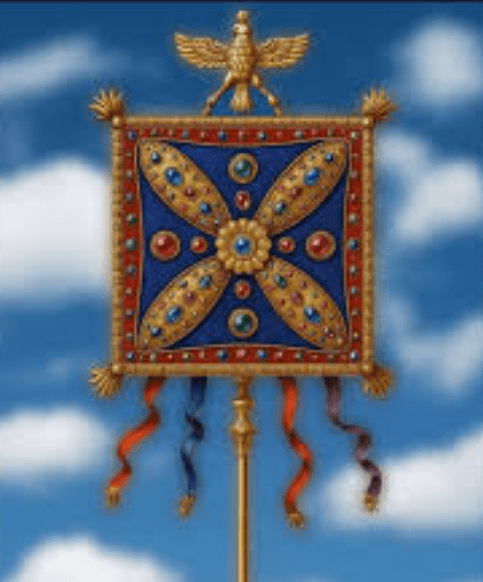
Young people join one by one. The uprising begins.
And Behzad closed the book and said to himself:
Ferdowsi was not just a poet. He was Iran’s historical memory.
And myth is alive only when it still “answers.”
We have no path but rebellion.
We seek no life except in freedom.
The choice is yours…
But this story
is worth sharing.
This Islamic Regime is killing, torturing, and sufficating, IRAN.
SOS for Iran.



 A Voice from Iran
❤
LikeLike
Hello
LikeLike
Hi
LikeLike
Such a timely, difficult and important story. Thanks for sharing!
LikeLike
Thanks for reading Julie.<3
LikeLiked by 1 person