Bosnia and the Massacre (Srebrenica, 1995)
Bosnia and Herzegovina is a country in Southeast Europe, located in the Balkans. It is home to people of different ethnic and religious backgrounds, mainly Bosniaks (Muslims), Serbs (Orthodox Christians), and Croats (Catholics).
For decades, these groups lived together within Yugoslavia. When Yugoslavia began to break apart in the early 1990s, political tensions turned into violent conflict.
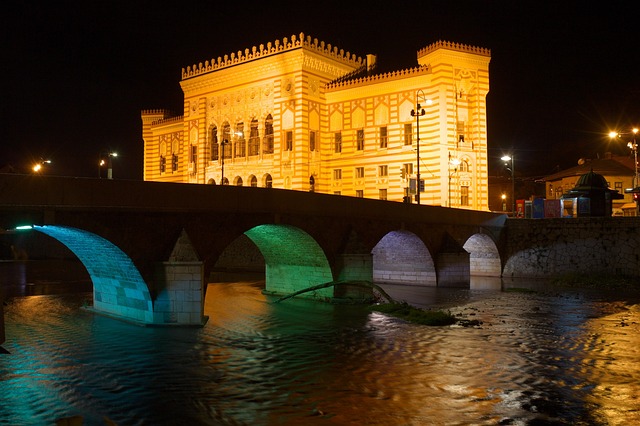
In 1992, Bosnia and Herzegovina declared independence. This led to a brutal war that lasted until 1995, marked by ethnic violence, forced displacement, and widespread suffering. The most horrific event of the war was the Srebrenica massacre, which is recognized as genocide by international courts.
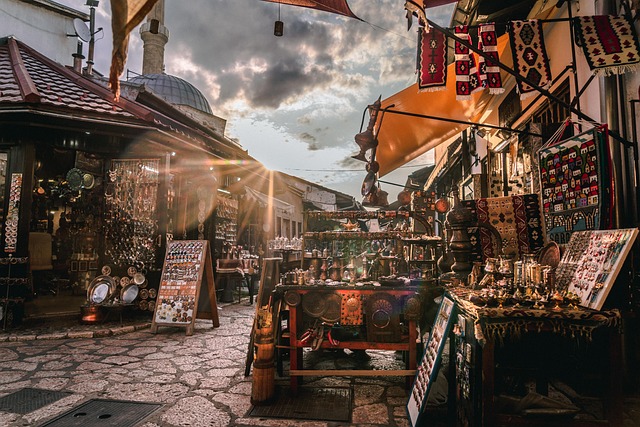
Srebrenica was a small town in eastern Bosnia that had been declared a UN “safe area.” Thousands of Bosniak civilians, mostly women, children, and elderly people, sought protection there. In July 1995, Bosnian Serb forces led by Ratko Mladić took control of the town. Despite the presence of UN peacekeepers, the civilians were not protected.
Over several days, more than 8,000 Bosniak men and boys were separated from their families and systematically killed. Their bodies were buried in mass graves, many of which were later moved in an attempt to hide the crime. Women and children were forcibly expelled from the area. This massacre became the worst mass killing in Europe since World War II.
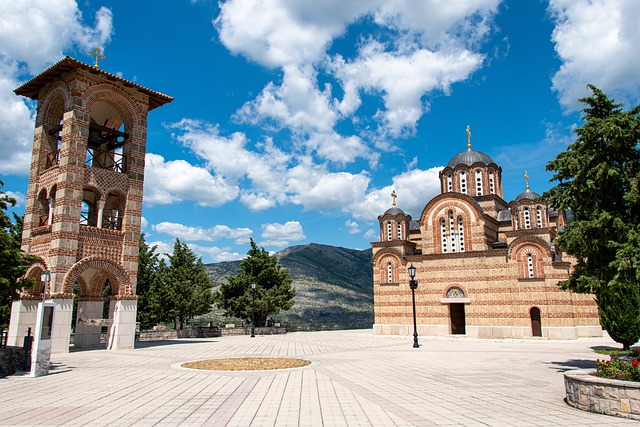
The international community was widely criticized for failing to prevent the genocide. Years later, international tribunals held key leaders responsible. Ratko Mladić and Radovan Karadžić, among others, were convicted of genocide and crimes against humanity.
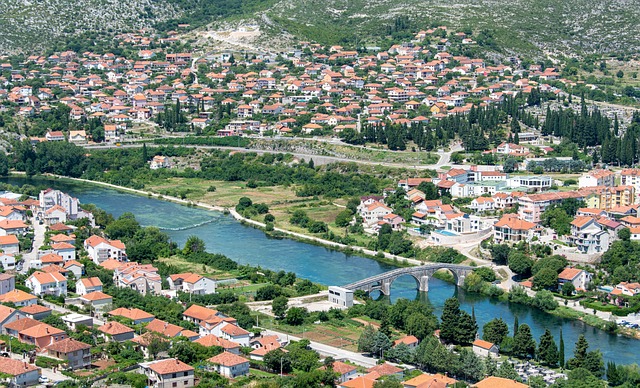
The Srebrenica massacre remains a deep wound in Bosnia’s history. Every year on July 11, victims are buried as newly identified remains are found, and memorials are held to honour the dead. The event stands as a powerful reminder of the consequences of hatred, nationalism, and the failure to protect civilians.
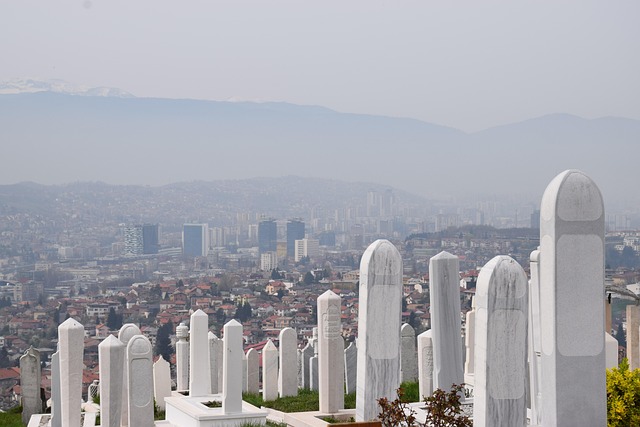
Today, Bosnia and Herzegovina is at peace but still faces political and social challenges. Remembering Srebrenica is not only about the past—it is a warning for the future, emphasizing the importance of human rights, accountability, and coexistence.
As part of the broader Bosnian Genocide, the number of victims estimated to be over 30,000, while the entire war (1992-1995) resulted in over 100,000 deaths.



 A Voice from Iran
I am From Bosnia and Herzegovina, coming from Croatian background. But I was born during the war so I don’t remember anything, but I know the stories. All three sides in the conflict: Bosniaks, Serbs and Croats have their own version of the war and very few people can overcome nationalism and form objective opinion about the war.
LikeLike
I can understand totally. History is exactly like this. Thanks for commenting dear.
LikeLiked by 1 person