The Axeman of New Orleans
This unsolved tragedy is one of the most famous criminal cases in American history. The attacks occurred between 1918 and 1919 in New Orleans, Louisiana, during a time when the city was already struggling with the aftermath of World War I and a deadly flu pandemic.

Fear spread quickly as residents realized someone was breaking into homes at night and attacking people while they slept.

What made this case unusual was the method. The attacker often used an axe found inside the victim’s own home, rather than bringing a weapon.
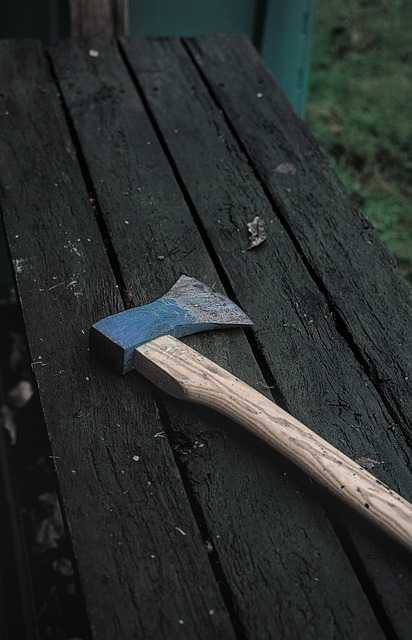
Most of the victims were Italian or Italian-American shopkeepers and their families, which led some people to believe the attacks were racially motivated. However, no clear motive was ever proven.
Despite multiple deaths and injuries, the Axeman was never identified or arrested.

One of the strangest parts of the story came in March 1919, when a letter was sent to local newspapers claiming to be from the Axeman himself. In the letter, the writer said he would spare anyone who was playing jazz music in their home on a specific night.

Whether the letter was truly written by the attacker remains unknown. Still, many people believed it.
That evening, New Orleans came alive with music. Jazz poured out of houses, bars, and streets. Bands played late into the night, and people gathered together instead of staying alone.

No attacks were reported that night, which only deepened the legend.
This event is often remembered as one of the most unique moments in jazz history — when an entire city turned to music for protection and comfort.

Police worked hard on the case, but forensic science was very limited at the time. There were no DNA tests, no modern databases, and communication between departments was slow. Several suspects were questioned, but none were ever charged.
Many believed that the Axeman may have been someone who knew the neighbourhoods well. Some believe it was more than one person. Others think the crimes could have been connected to personal disputes or business rivalries.

Because evidence was scarce, all of these ideas remain speculation.
Today, the Axeman is remembered not just for the crimes but for how the story became woven into New Orleans folklore. Books, documentaries, podcasts, and TV shows have retold the mystery many times.
More than a century later, the Axeman of New Orleans remains unsolved. The case reminds us how different policing once was, and how vulnerable communities could be. It also shows how stories can grow over time, blending fact and myth.

The Axeman killed nearly seventeen people and injured many.




 A Voice from Iran
Leave a comment