The Battle of Stalingrad (1942–1943)
The Battle of Stalingrad was one of the most important and deadly battles of World War II. It took place between August 1942 and February 1943 in the city of Stalingrad (now called Volgograd), located in the southern Soviet Union.
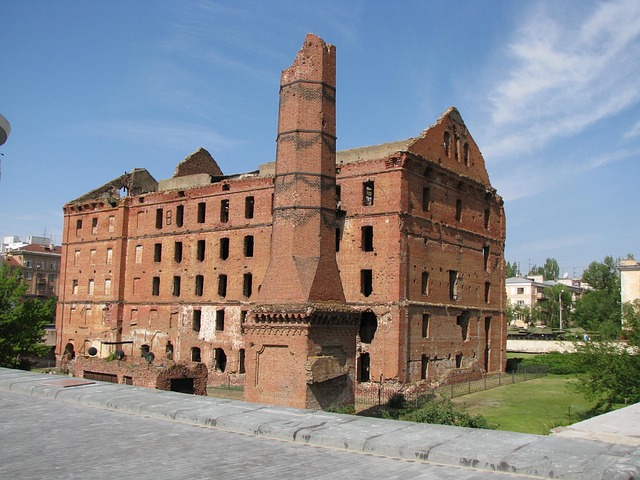
This battle marked a major turning point in the war, stopping Germany’s advance into the Soviet Union and beginning the collapse of Nazi power in Eastern Europe.
By 1942, Adolf Hitler wanted to capture Stalingrad for several reasons. The city was an important industrial center that produced weapons and supplies for the Soviet army. It also sat along the Volga River, a key transportation route. Controlling Stalingrad would disrupt Soviet supply lines.
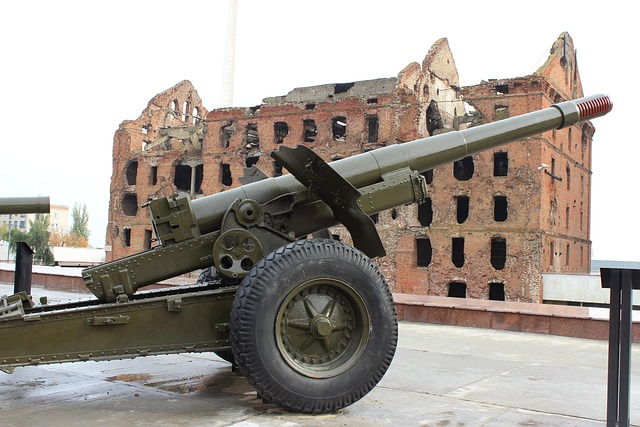
The German attack began in late summer 1942 with heavy bombing that destroyed much of the city. German forces then moved in on the ground. What followed was brutal street-to-street fighting. Soldiers battled for every building, factory, and staircase. This type of combat became known as “rat warfare” because it involved close, desperate fighting in ruins and rubble. Civilians were trapped in the city, suffering from hunger, cold, and constant danger.
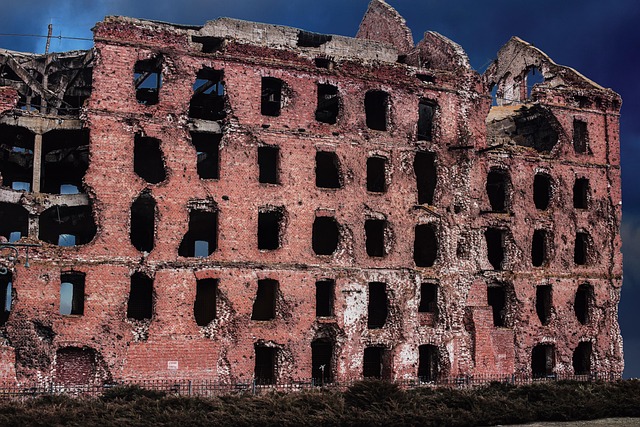
Despite being pushed back, Soviet soldiers refused to surrender. Stalin ordered his troops to hold the city at all costs. Reinforcements crossed the Volga River under fire, often at night. Soviet snipers became famous for targeting German officers, and both sides suffered enormous casualties.
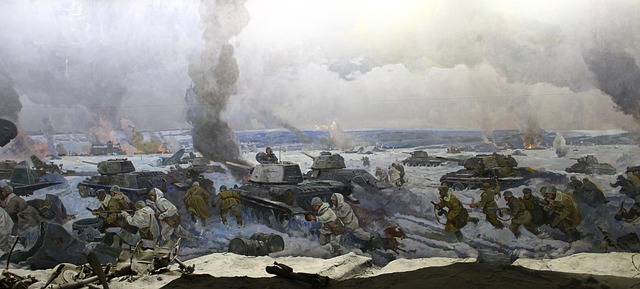
Winter arrived, bringing freezing temperatures that worsened conditions, especially for German troops poorly equipped for cold weather.
In November 1942, the Soviet army launched a massive counteroffensive called Operation Uranus. Instead of attacking the strongest German positions in the city, Soviet forces struck the weaker German allies guarding the flanks. This surprise move succeeded in surrounding the entire German Sixth Army inside Stalingrad. More than 250,000 Axis soldiers were trapped.
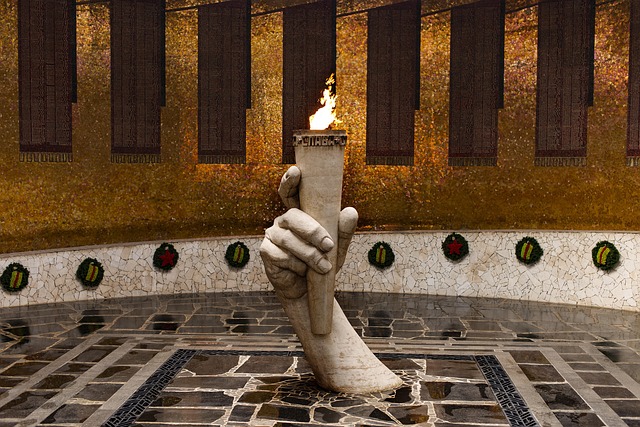
Hitler ordered the surrounded army to fight on and promised air supplies, but the airlift failed to provide enough food, ammunition, or medicine. As winter deepened, German soldiers suffered from starvation, illness, and freezing temperatures. Soviet forces slowly tightened the ring around the city, crushing resistance block by block.
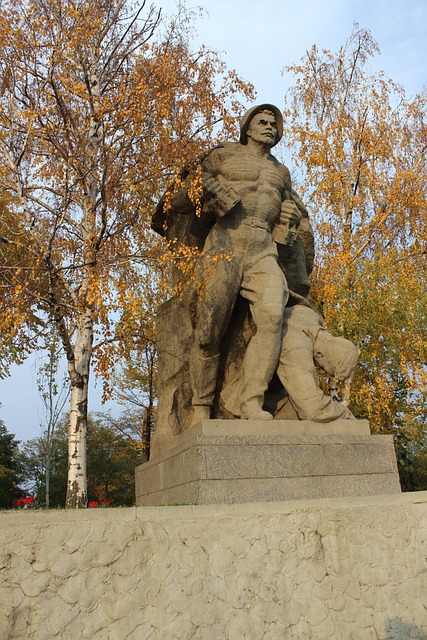
By early February 1943, the remaining German forces were exhausted and defeated, marking the first time a complete German army had been destroyed during the war.
The Battle of Stalingrad caused enormous losses. Around two million people—soldiers and civilians combined—were killed, wounded, or captured. The destruction of the German Sixth Army shocked the world and shattered the myth that Nazi Germany was unbeatable.




 A Voice from Iran
Leave a comment