Who Were the Mongols?
The Mongol Empire was a large empire founded by Genghis Khan in the early 1200s in the grasslands of Central Asia (modern Mongolia). They were known for their highly skilled cavalry and rapid military expansions across Asia and into Europe.
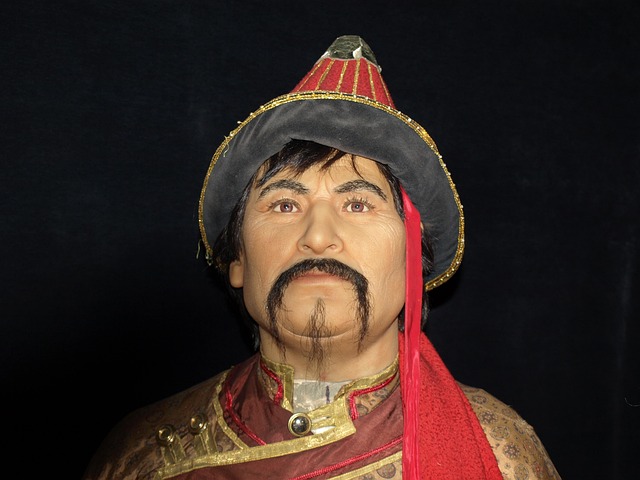
Their conquests were driven by political ambition, revenge after the killing of Mongol envoys, and a desire to control major trade routes.
The main phase of the Mongol invasion into Iranian lands occurred in the early 13th century (1200s CE). The campaign intensified after 1219 when Genghis Khan led his armies westward into the Khwarazmian Empire, which included large parts of present-day Iran.
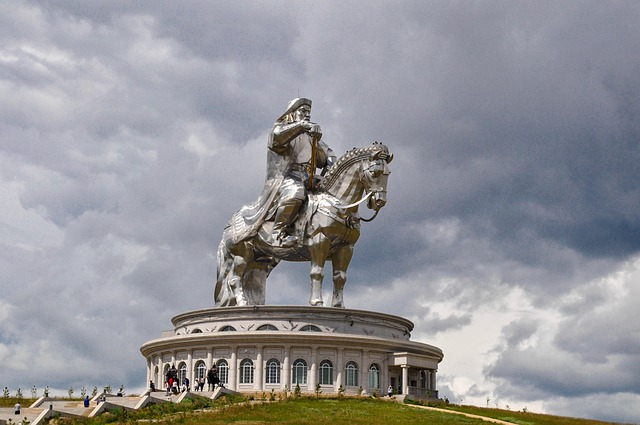
The Mongol invasion affected many cities in the region.
The Mongols besieged and captured the northeastern Iranian city of Nishapur. Contemporary chronicles describe very high numbers of deaths and the destruction of the city.
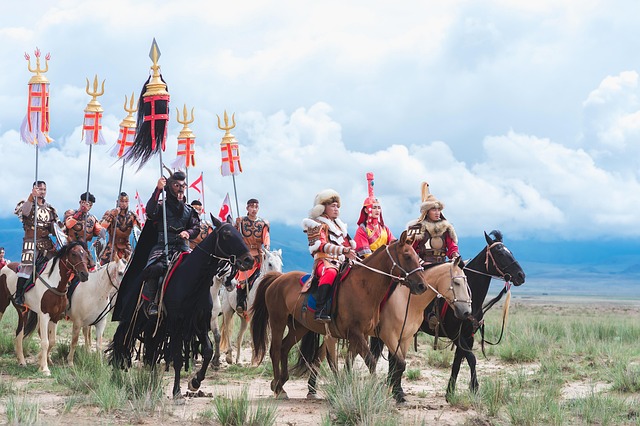
One of the largest and richest cities in the world at the time, Merv (in present-day Turkmenistan but historically part of the Iranian cultural and political space) was captured and destroyed in 1221. Some historical sources from later chroniclers report extremely high numbers of deaths — possibly in the hundreds of thousands — though such figures are debated by historians because medieval population estimates are uncertain.
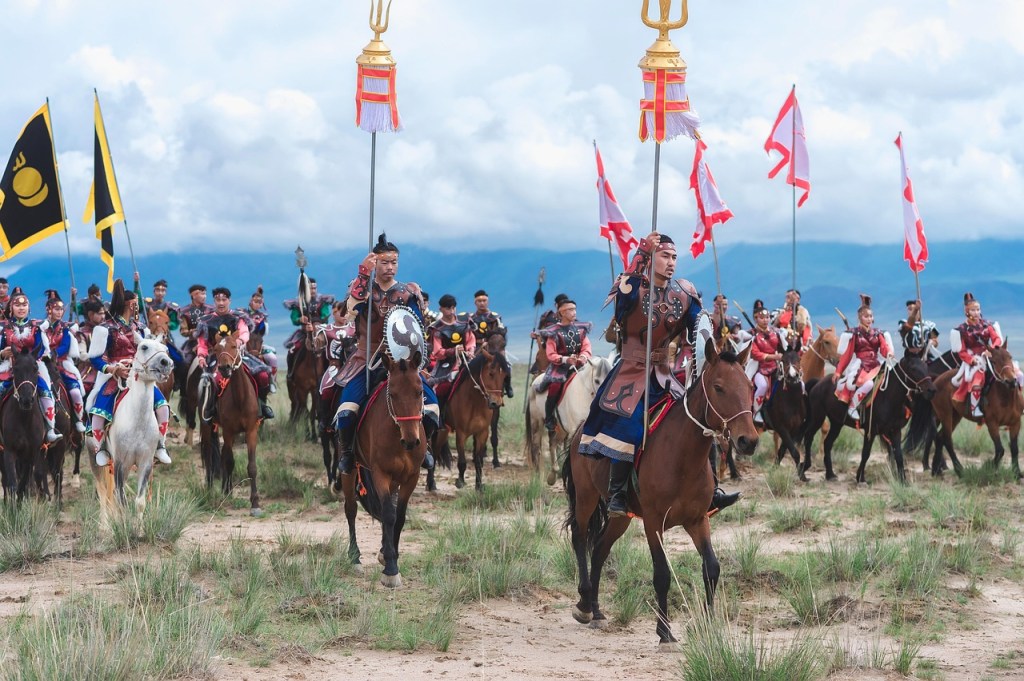
Herat, another major cultural and economic city, was also taken by Mongol forces. Many inhabitants were killed, and the city suffered severe destruction.
Accounts from medieval historians often describe the Mongol invasions as violent and devastating:
Many cities were sacked or destroyed. People who resisted conquest were often killed or enslaved. Agricultural and economic systems were disrupted as towns and farms were destroyed. Cultural and academic life suffered as libraries and institutions were damaged.
Modern historians treat specific figures’ claims that millions died or that 75-90 % of the population disappeared. With caution, because good population records don’t exist from that era. Estimates vary widely, and while the impact was certainly massive, precise numbers are debated.
A Mongol diplomatic mission was killed by local governors before the invasion, which angered Genghis Khan and helped trigger the war. The Khwarazmian Empire was rich but politically unstable, making it a tempting target. The Mongols were seeking to control trade routes and territory across Eurasia.
The Mongol invasion had deep and lasting impacts.
Widespread destruction of cities and farmland. Population loss in some areas. Disruption of trade and agriculture.
Over time, the region rebuilt under new political structures. Mongol-ruled Iran (under the Ilkhanate) became part of a large, connected empire that linked East and West. Persian culture and language influenced Mongol rulers and vice versa, affecting art, administration, and literature in the centuries that followed.
The memory of this event has stayed strong in Iranian cultural history and literature because of the scale of loss and transformation.



 A Voice from Iran
Leave a comment