The Massacre of Dolphins
The term “massacre of dolphins” is commonly used to describe large-scale, intentional killings of dolphins, most notably the dolphin drive hunts that take place in a few coastal areas of the world. The most widely known example occurs in Taiji, Japan, though smaller hunts have historically occurred in other regions.
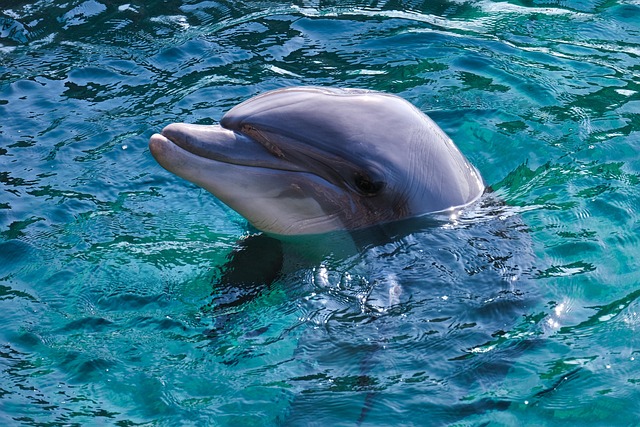
In dolphin drive hunts, pods of dolphins are chased by boats that use loud noises to confuse and herd them into a shallow bay. Once trapped, some dolphins are selected to be sold alive to marine parks and aquariums, while many others are killed for their meat. These events usually happen out of public view and can involve hundreds or even thousands of dolphins each year.

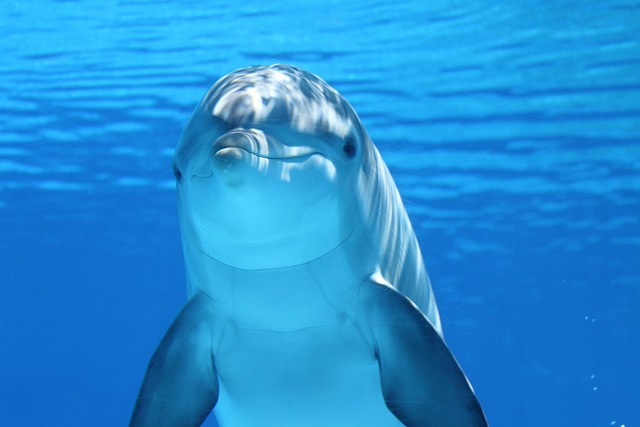
Dolphins are highly intelligent and social animals. They live in close-knit family groups, communicate through complex sounds, and show strong emotional bonds. Because of this, the killing of dolphins has caused global outrage. Scientists and animal welfare organizations argue that the hunts cause extreme stress and suffering, not only to the dolphins that are killed but also to those that survive and witness the event.
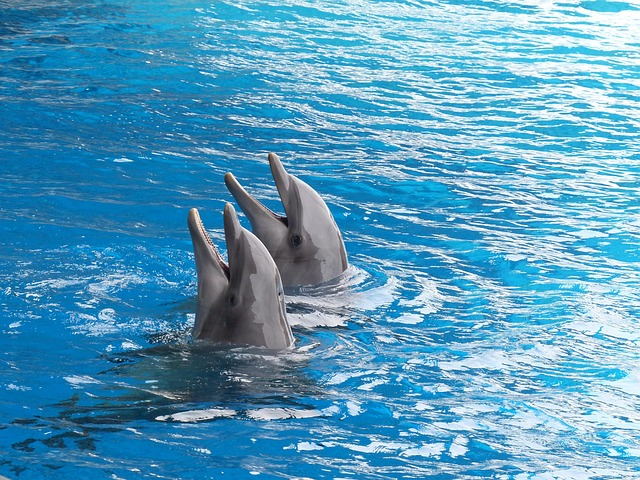
Another concern is human health. Dolphin meat often contains high levels of mercury and other toxins, making it unsafe for regular consumption. Despite this, the meat has sometimes been sold locally, although demand has decreased over time.
Supporters of the hunts argue that they are part of local tradition and cultural practice. However, critics point out that many traditions change when they cause unnecessary harm, especially when they involve intelligent wildlife and attract international condemnation. Environmental groups, activists, and filmmakers have worked for years to raise awareness, leading to increased scrutiny and declining participation in some areas.
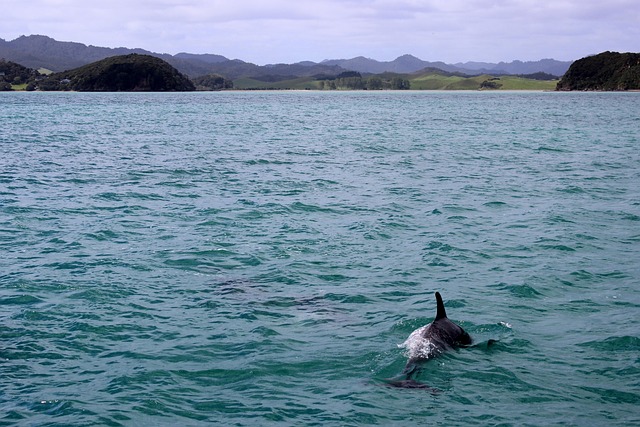
The massacre of dolphins has become a symbol of the larger struggle between wildlife conservation and human exploitation of animals. It has sparked conversations about ethics, environmental responsibility, and how humans should treat other living beings. While some progress has been made through education and global pressure, dolphin hunting has not completely stopped.
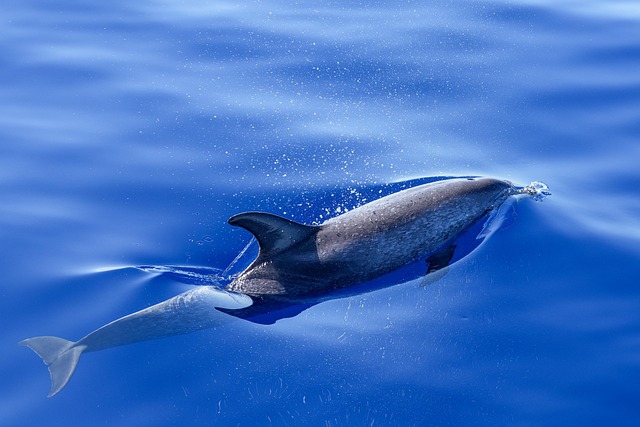
Remembering and discussing these events is important. It encourages respect for marine life and highlights the need for stronger protections for animals that cannot defend themselves.




 A Voice from Iran
Leave a comment