Dennis Rader
The 1970s–1990s Criminal Known as the BTK Killer
Dennis Lynn Rader is an American criminal best known for being the BTK killer, a name he gave himself based on how he described his actions: Bind, Torture, Kill.
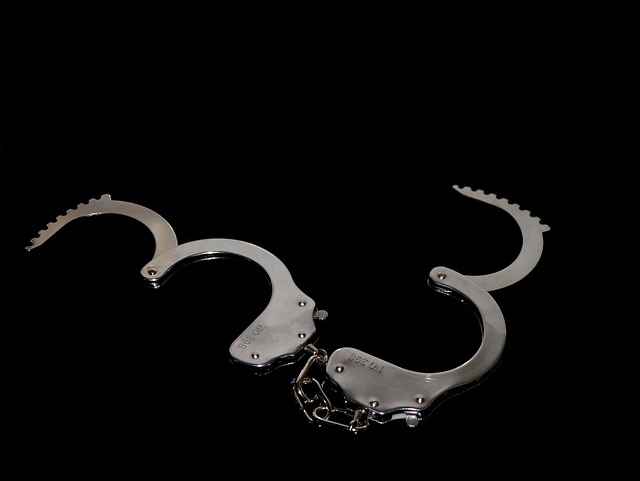
His crimes took place over many years, beginning in the 1970s and continuing into the 1990s before he was finally caught in 2005. Rader’s case shocked the United States because he managed to avoid arrest for decades and often taunted police with letters.

Dennis Rader was born on March 9, 1945, in Wichita, Kansas. He grew up in a suburban family and was considered by many to be a normal, even quiet, student. After high school, he joined the U.S. Air Force, and later returned to Wichita, where he worked in various jobs, including at a factory and as a compliance officer for a church.

People who knew him described him as polite and unassuming, which made his later crimes even more surprising to the local community.
Rader’s criminal activity began in 1974, when he murdered four members of the Otero family in their home. After that, there were additional killings in 1977 and 1978. His victims varied in age and background.

What made Rader notorious was not just the murders themselves, but the way he interacted with law enforcement:
He wrote letters to newspapers and police, describing his crimes and sending clues. He used the name BTK, short for Bind, Torture, Kill, which described his method. Some letters even included details that only the killer could have known.

These communications kept the case in the public eye and frustrated investigators for years.
After the late 1970s murders, Rader seemed to disappear. But in 1985, he struck again, killing a man and a woman in Wichita. Then, for about a decade after that, he stopped communicating entirely with authorities. This silence added to the mystery of the case.

Rader’s downfall came because of the very thing that helped make him infamous: his need to send messages. In 2004–2005, he began corresponding with the police again. This time, investigators used new technology to trace a floppy disk Rader sent to a TV station. The metadata on the disk linked it to a church where Rader worked.
Police also collected DNA from items tied to Rader and matched it to evidence from the BTK crime scenes. In 2005, Dennis Rader was arrested at his home in Wichita.
Dennis Rader eventually pleaded guilty to 10 murders. In 2005, he was sentenced to 10 consecutive life terms in prison, meaning he will spend the rest of his life behind bars with no chance of parole.
The BTK case is remembered for several reasons: Rader avoided capture for over 30 years. His letters to the police demonstrated how criminals sometimes seek attention, and how that behaviour can ultimately help investigators catch them. New forensic tools, like DNA analysis and digital tracking, helped solve a case that earlier detectives couldn’t crack.




 A Voice from Iran
wow – I have no words while reading over this post.
LikeLiked by 1 person
Thanks for reading my dear friend.❤️
LikeLike